What Is a Halo Engagement Ring? Styles, Pros and Cons
Quick Summary
- A halo engagement ring has smaller diamonds set around the centre stone.
- The halo adds brightness and can make the centre diamond appear larger from above.
- A hidden halo places the extra diamond detail beneath the centre stone, so it is seen mainly from the side.
- Halo rings offer more detail than solitaires, but usually need more cleaning and care.
- The right design depends on personal style, lifestyle, diamond shape and wedding band fit.
The Short Answer
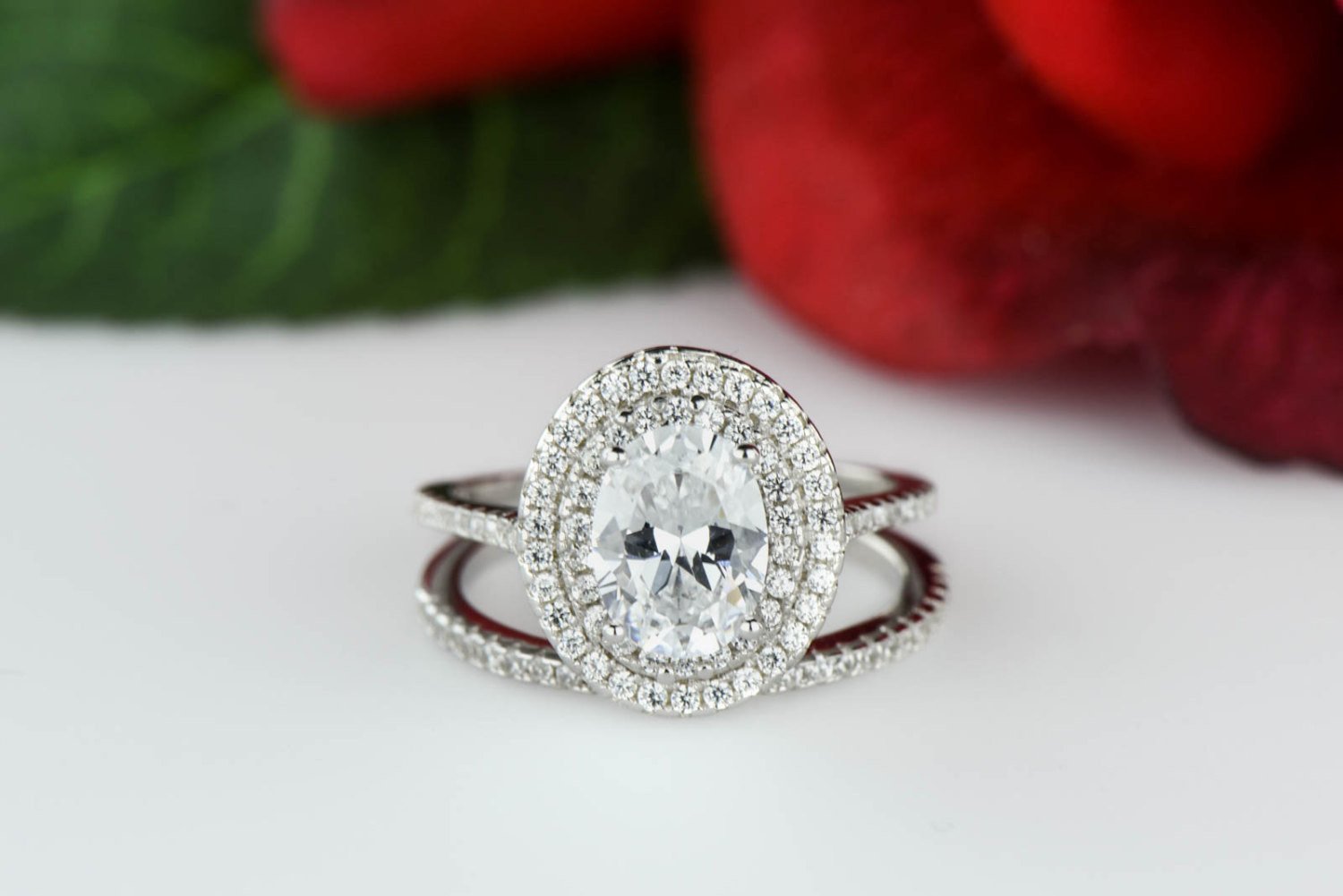
A halo engagement ring has a row of smaller diamonds set around the centre stone. Together, these diamonds create a brighter frame and increase the ring's visible face-up area.
It is a strong choice for someone who wants more detail and presence than a solitaire. The trade-offs are a busier appearance, more small stones to care for and a setting that may need extra thought if the wedding band must sit flush.
If you already like this style, browse Avita's lab diamond halo engagement rings. For extra brightness along the band rather than around the centre stone, compare them with diamond shoulder engagement rings.
How Does a Halo Setting Work?
In a halo setting, smaller diamonds sit closely around the outline of the centre stone. The halo may follow a round, oval, cushion, pear or emerald cut shape, or use a slightly different outline to change the finished look.
The effect is visual: the eye often reads the centre diamond and surrounding diamonds together. This can make the ring look larger, but it does not change the centre diamond's carat weight.
Proportion matters. A fine halo can define the centre stone without distracting from it. A halo that is too wide or heavy may overpower the diamond. Setting height also affects everyday comfort and how a future wedding ring will sit beside it.
Halo vs Hidden Halo: What's the Difference?
A traditional halo is visible from above and surrounds the centre diamond. It creates a clearly framed outline and usually gives the strongest larger-looking effect.
A hidden halo is placed beneath or around the side of the centre stone. It is more visible from an angle, keeping the top view closer to a solitaire. Avita's guide to hidden halo engagement rings explores this more subtle style in detail.
Choose a traditional halo if you want the extra diamonds to be a main part of the design. Consider a hidden halo if you want the centre stone to dominate from above, with added detail from the side.
Main Halo Engagement Ring Styles

Classic Halo
A classic halo is fully visible from above. It is the most recognisable version and suits buyers who want a defined centre stone with plenty of visible brightness.
Hidden Halo
A hidden halo adds diamonds beneath the centre setting. It can be a useful middle ground between a simple solitaire and a more decorative traditional halo.
Oval Halo
An oval halo follows the diamond's elongated shape and can add length and presence on the finger. The surrounding diamonds should remain fine enough to preserve the oval outline.
Round Halo
A round halo has a balanced, symmetrical appearance. It combines a traditional centre shape with more detail than a plain round solitaire.
Cushion, Pear and Emerald Cut Halos
Cushion and pear diamonds work naturally with halos that follow their outlines. Emerald cut diamonds can also work well, but the halo needs careful proportions so it complements rather than competes with the stone's clean, step-cut character.
Lab Diamond Halo
A lab grown centre diamond may allow more flexibility around size or setting detail within a chosen budget. The stone and halo should still be assessed for cut, proportion and overall balance. Avita's wider lab diamond engagement rings collection shows other setting options using lab grown diamonds.
What Are the Pros of a Halo Engagement Ring?
- More visible brightness: the smaller diamonds add light and movement around the centre stone.
- A larger-looking design: the extra face-up diamond area can make the centre appear more prominent.
- Clear shape definition: a well-proportioned halo can emphasise an oval, round, cushion or pear outline.
- More design detail: halo offers a decorative finish without requiring a heavily ornate ring.
- Budget flexibility: some buyers prefer a modest centre diamond with a halo rather than putting the full budget into carat weight.
What Are the Cons of a Halo Engagement Ring?
- Less understated: a visible halo may not suit someone who prefers minimal jewellery.
- More cleaning: residue can collect around the smaller stones and detailed setting.
- More setting points: periodic professional checks are sensible because the ring contains several small diamonds.
- Proportion risk: an oversized halo can make the centre stone less distinct.
- Wedding band fit: some baskets or lower settings prevent a straight wedding ring from sitting completely flush.
Do Halo Rings Make the Centre Diamond Look Bigger?
Yes, visually. A halo increases the visible diamond area around the centre stone, so the complete ring can look larger from a normal viewing distance.
This does not increase the centre diamond's carat weight, and a halo cannot correct a poorly selected stone. The strongest result comes from matching the size of the surrounding diamonds to the centre stone and keeping its outline clear.
Which Diamond Shapes Work Best With Halo Settings?
Round diamonds create a classic, balanced halo. Oval and pear diamonds produce a more elongated silhouette. Cushion diamonds give a softer square outline, while emerald cuts create a more structured look.
There is no universally best shape. Look at how the halo follows the centre diamond and whether the completed ring still shows the qualities that attracted you to that shape. Metal changes the effect too: platinum creates a crisp, bright setting, while yellow or rose gold adds warmth.
Halo, Solitaire or Diamond Shoulder?
A solitaire keeps the focus almost entirely on the centre diamond and is usually the strongest option for a clean, simple ring. Browse lab diamond solitaire engagement rings if that is closer to the wearer's style.
A halo places the extra detail around the centre stone, creating a brighter frame and more face-up presence. A diamond shoulder setting places smaller diamonds along the band instead, adding light without fully surrounding the centre.
The simplest question is where you want the detail to sit: around the centre, along the band or nowhere beyond the centre diamond itself.
Is a Halo Engagement Ring Right for You?
A halo may be right if the wearer likes visible diamond detail, a strongly defined centre stone and more brightness than a plain solitaire. It may be less suitable if they prefer minimal jewellery, low-maintenance settings or a completely clean top view.
Consider everyday wear as well as appearance. Check setting height, cleaning needs and wedding band fit before finalising the ring. If you are buying as a surprise, the shapes, metals and level of detail in their existing jewellery provide useful clues.
For a particular centre shape, metal combination or hidden halo detail, a bespoke engagement ring consultation can help you compare proportions before choosing the final design.
Final Recommendation
Choose a halo engagement ring if you want the centre diamond to have a brighter frame and stronger visual presence. Choose a hidden halo for subtler side detail, a diamond shoulder setting for brightness along the band, or a solitaire for the cleanest centre-stone focus.
Browse Avita's engagement rings to compare these styles. If you are unsure which proportions suit the wearer, book a consultation and view the options in person.
FAQs
What does halo mean on an engagement ring?
A halo engagement ring has smaller diamonds set around the centre stone. The halo frames the main diamond, adds brightness and can make it appear larger.
Do halo engagement rings make the diamond look bigger?
Yes, visually. The surrounding diamonds increase the visible face-up diamond area, although the centre diamond's physical size and carat weight do not change.
What is the difference between a halo and a hidden halo?
A traditional halo surrounds the centre diamond and is visible from above. A hidden halo sits beneath or around the side of the centre stone and is seen mainly from an angle.
Are halo engagement rings practical for everyday wear?
They can be worn every day, but usually need more cleaning and periodic setting checks because they contain more small diamonds than a simple solitaire.
What diamond shape is best for a halo engagement ring?
Round, oval, cushion and pear diamonds all work well. Emerald cuts can also suit halos when the setting preserves the centre stone's clean outline.
Can Avita make a bespoke halo engagement ring?
Yes. Avita can help design bespoke halo and hidden halo engagement rings through a studio appointment in London, Hatton Garden, including the centre stone, metal, setting and wedding band fit.