Bespoke Engagement Rings in London 2026: Hatton Garden Craftsmanship Guide
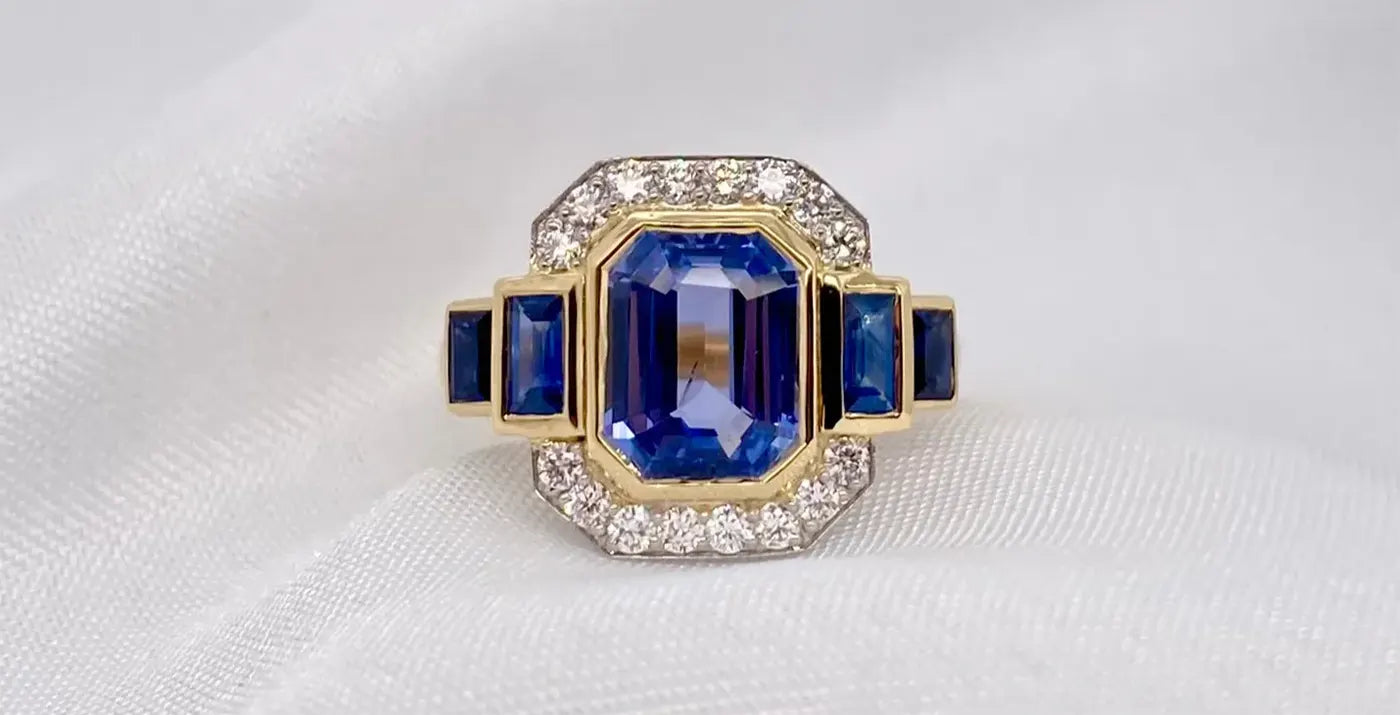
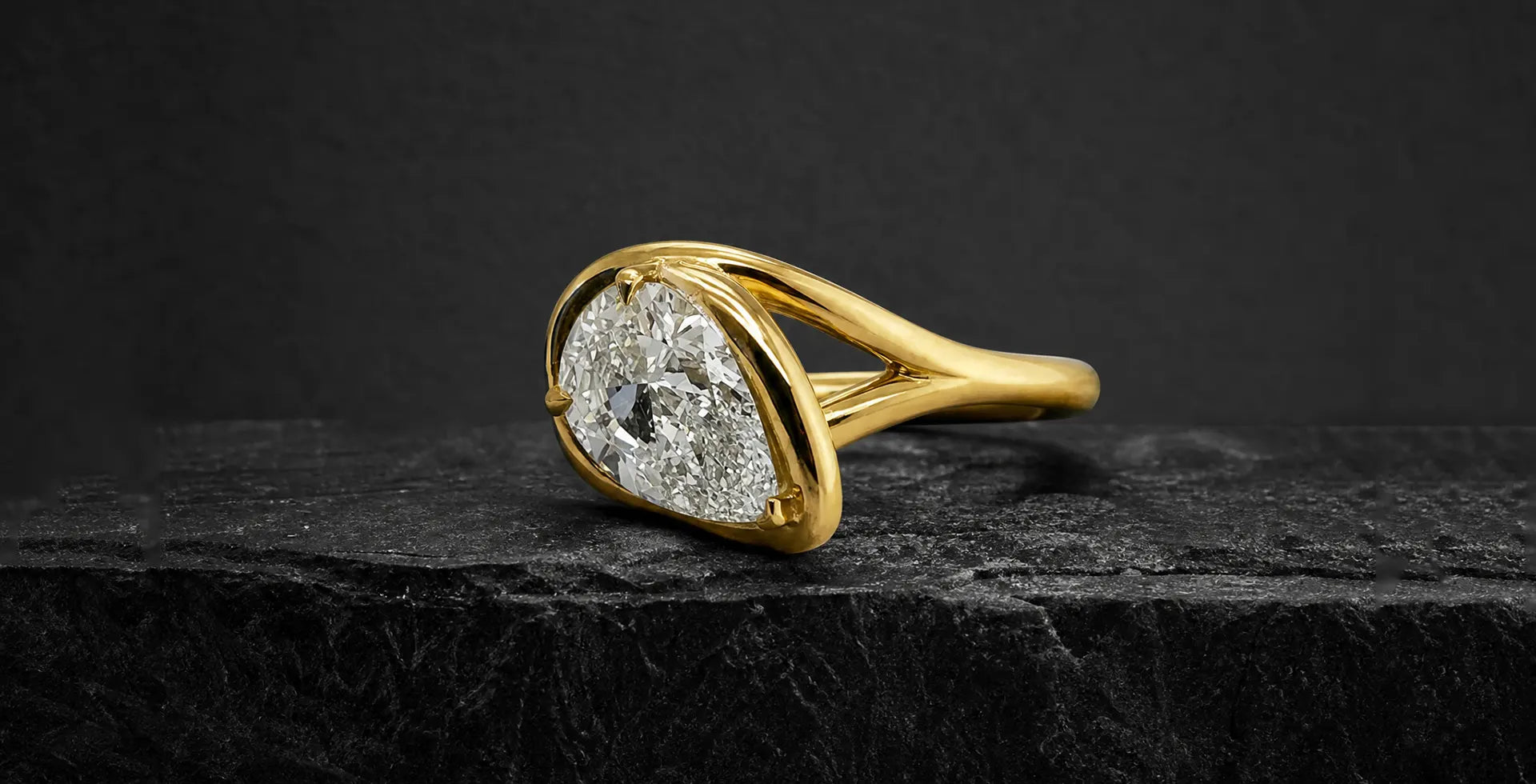
In Hatton Garden, a bespoke engagement ring is not simply a ring chosen from a tray. It is a collaborative design journey where the setting, stone, metal and finishing details are chosen around the person who will wear it. For couples researching bespoke engagement rings in London, the real value is having expert guidance before you commit to a diamond, a design or a budget.
This 2026 guide explains the design trends, diamond choices, cost considerations and practical steps involved in commissioning a ring in London. If you already know you want a custom design, you can book a viewing appointment with Avita Jewellery in Hatton Garden to compare diamonds, settings and bespoke options in person.
Book a Bespoke Consultation Explore Bespoke Engagement Rings
Quick Summary
- Bespoke engagement rings in London typically begin with a design consultation, followed by stone selection, CAD design, optional 3D mockup approval and hand-crafting.
- Avita's bespoke settings start from £1,500, with many complete London bespoke engagement ring projects falling between £3,500 and £7,000 depending on the diamond and design.
- Lab grown diamonds, heirloom diamond remodelling, hidden details and elongated diamond shapes are especially relevant for 2026 proposals.
- Hatton Garden remains a strong choice for couples who want London craftsmanship, direct jeweller guidance and a more personal process than a standard retail purchase.
2026 Bespoke Bridal Trends: What to Expect for Your Proposal
For the 2026 proposal season, bespoke bridal design is moving toward timeless settings with individual character. Couples are still asking for sparkle, but they increasingly want that sparkle to feel personal: a hidden detail under the centre stone, a sentimental family diamond remodelled into a new design, or a metal finish that feels less like a stock setting and more like a piece made for one person.
One of the clearest trends is heirloom diamond remodelling. Many couples are bringing in family gold or antique stones and asking for them to be reworked into contemporary silhouettes. This approach honours the past while creating a ring that suits the wearer's current style. It also fits the wider interest in sustainable luxury, because the most meaningful stone may already be part of the family story.
For couples choosing a new stone, lab diamond engagement rings remain a major part of the London market. Industry commentary from National Jeweler has highlighted how lab grown diamonds can offer value and visual impact, particularly for buyers who want a larger centre stone or higher specification within a set budget. For many younger professionals, this means they can focus more budget on the design details that make the ring feel bespoke.
Metal choice is also becoming more expressive. Platinum remains a strong option for durability and a naturally white finish, while 18ct yellow gold and rose gold offer warmth and character. Brilliant Earth has also noted the practical appeal of platinum for secure settings. At the same time, more couples are asking for artisanal finishes such as brushed, hammered or subtle textured effects, especially when they want a ring that feels modern without being trend-led.
2026 Trend Alerts: Top Diamond Shapes
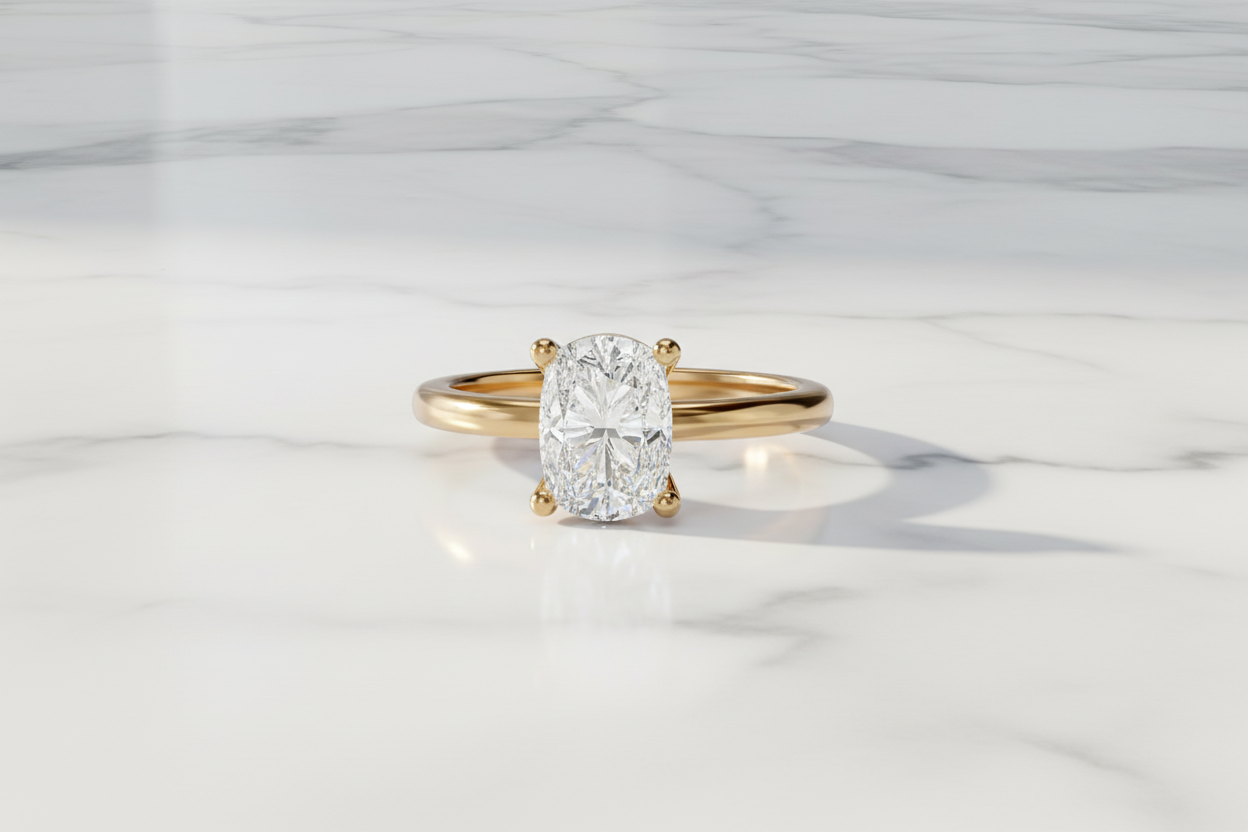
- Elongated cushions: romantic and soft, with a pillowy outline that feels more contemporary than a standard square cushion.
- Scintillating ovals: elegant, flattering and visually generous on the hand. If this shape is already on your shortlist, browse Avita's oval engagement rings for design inspiration.
- Architectural step cuts: emerald and Asscher cuts appeal to buyers who prefer clean lines and a hall-of-mirrors effect. Avita's emerald cut engagement rings show how this style can feel refined and understated.
- Classic round brilliants: still the benchmark for balanced brilliance and a timeless look. You can compare current options in the round diamond engagement rings collection.
Whether you are remodelling a vintage treasure or starting from a blank sketch, the aim is the same: a ring that feels distinctive, wearable and true to your proposal story.
Comparing London's Bespoke Jewellery Options in 2026
Choosing the right bespoke jeweller depends on the type of experience you want. Mayfair is known for heritage names and luxury retail settings. Hatton Garden, by contrast, remains closely associated with workshop-led jewellery, diamond expertise and direct conversations with people who understand the making process.
For many couples, Hatton Garden offers the right balance: London craftsmanship, personal guidance and a bespoke process without the price tag of a larger luxury house. The important thing is not simply choosing the most famous address. It is choosing a jeweller who can explain diamonds clearly, translate your ideas into a structurally sound design and give you transparent advice on cost, timing and aftercare.
If you are still planning your visit, Avita's Hatton Garden engagement ring buying guide explains what to compare before booking appointments and what questions to ask during your visit.
A Personal Design Journey: The Avita Jewellery Process
At Avita Jewellery, the creation of an engagement ring is treated as part of the proposal story. The process is rooted in Hatton Garden's jewellery heritage, but it is intentionally personal: you discuss the design, stone, budget and practical requirements with a team that can guide you from first idea to finished ring.
Your journey begins with an initial consultation in Avita's Hatton Garden studio. This is where the design direction is shaped. You can bring inspiration images, family stones, a preferred diamond shape or simply a sense of the wearer's style. The goal is to understand the story behind the ring and translate that into a realistic design route.
Stone selection is where the design starts to become tangible. Avita can help you compare natural diamonds, lab grown diamonds and certified stones, including GIA, IGI or GCAL graded options where appropriate. The focus is not only carat weight. Cut, light performance, clarity, proportions and how the stone will sit in the setting all affect the final result.
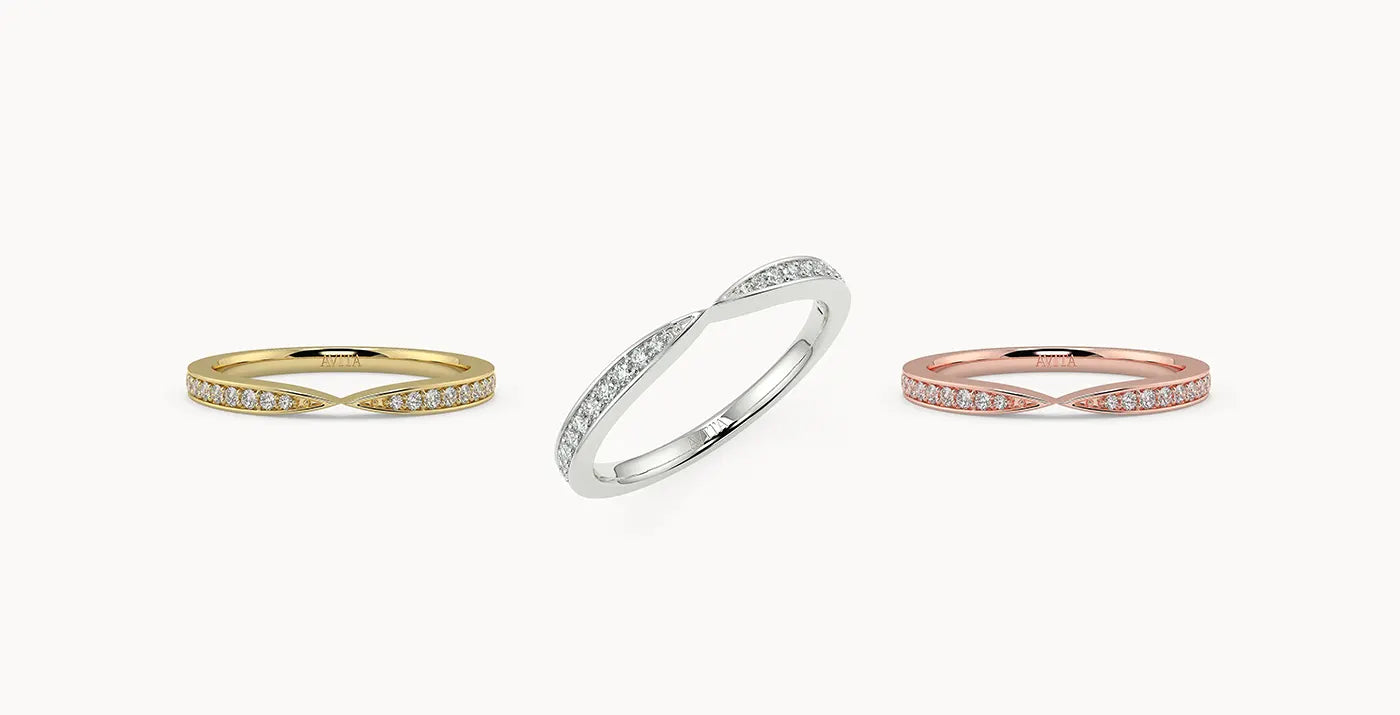
Once the stone and design direction are chosen, the ring is developed with technical precision. A bespoke ring must look beautiful, but it also needs to be comfortable, durable and suitable for everyday wear. This is where CAD design, setting structure, metal choice and wedding-ring fit all matter.
Why Choose an Artisanal Workshop?
- Unrivalled customisation: the proportions, setting, band profile, hidden details and finishing touches can be adjusted around the chosen diamond and wearer.
- Direct expert access: you can discuss practical decisions with the team guiding the design, rather than relying on a generic product listing.
- Artisanal quality control: each stage can be checked carefully, from the CAD render to the final hand polish.
- Long-term support: Avita provides aftercare and professional cleaning support so the ring can be looked after beyond the proposal.
Book a Hatton Garden Appointment Browse Engagement Rings
The Step-by-Step Bespoke Jewellery Design Process
A bespoke engagement ring usually follows a structured process. The stages may vary slightly depending on the design, but the journey should always give you clarity before the ring is made.
Step 1: The Creative Spark
The first stage is a collaborative consultation. You may arrive with a clear design in mind, or you may need help narrowing your options. The conversation usually covers diamond shape, metal colour, lifestyle, budget, hidden details and whether the ring needs to sit neatly with a future wedding band.
Step 2: Stone Selection
Next, you compare stones. This may include natural diamonds, lab grown diamonds or an heirloom stone you already own. A good consultation should help you understand how cut, clarity, colour, carat and certification affect the final ring. If you are still deciding between stone types, Avita's lab grown versus natural diamond guide is a useful companion.
Step 3: Technical Rendering
Once the design and stone are chosen, the concept moves into CAD. This creates a precise digital model of the ring, allowing proportions, claw placement, band width and hidden features to be refined before production. CAD is especially useful for bespoke designs because it makes creative ideas measurable and buildable.
Step 4: 3D Mockup Approval
For many bespoke rings, a high-resolution resin model can be produced before the final casting. This lets you check scale, shape and hand feel in a physical form. It is a practical way to reduce uncertainty, especially if the ring includes unusual proportions, a distinctive profile or a detailed hidden halo.
Step 5: Hand-Crafting
After the design is approved, the ring is made and finished by the workshop. This includes casting, setting, polishing and final quality checks. The result should be a ring that looks personal but also feels secure, balanced and ready for everyday wear.
Ethical Sourcing: Lab Grown vs Natural Diamonds in 2026
Deciding between lab grown and natural diamonds is one of the most important moments in the bespoke process. Natural diamonds are valued for geological rarity and traditional appeal. Lab grown diamonds offer the same chemical and physical structure as mined diamonds, often with a larger or higher specification stone available within the same budget.
For a bespoke design, both routes can work beautifully. The right choice depends on your priorities: rarity, value, carat size, provenance, sentiment and long-term preference. Avita can help you compare both options in person, then design the ring around the stone that best fits your brief.
Certification also matters. GIA remains a global benchmark for natural diamonds, while IGI and GCAL are commonly used for lab grown stones. GCAL's grading approach, including light-performance documentation, can be useful when comparing the visual qualities of a diamond rather than relying on headline specifications alone.
For heirloom stones, the ethical decision is often different. Reworking an existing family diamond can preserve emotional value and reduce the need for a newly sourced centre stone. It is also one of the most personal ways to make an engagement ring part of a longer family story.
Diamond Technical Specifications: The Ideal Range
For round brilliant diamonds, the following technical ranges are often used as a quality benchmark. They should be considered alongside the individual stone's appearance, certification and how it performs in person.
| Parameter | Ideal Range | Why It Matters |
|---|---|---|
| Cut Grade | Excellent / Ideal | Helps optimise light return and brilliance. |
| Symmetry | Excellent | Supports precise facet alignment and balanced sparkle. |
| Polish | Excellent | Creates a cleaner surface finish for light reflection. |
| Table Percentage | 54% - 57% | Balances top-surface reflection with internal brilliance. |
| Total Depth | 59% - 62.5% | Helps reduce light leakage through the bottom of the stone. |
How Much Does a Bespoke Engagement Ring Cost in London?
At Avita, bespoke settings start from £1,500. The final investment depends on the diamond, metal, design complexity and whether you are using a new stone or remodelling an heirloom piece. Many complete bespoke engagement ring projects in London fall between £3,500 and £7,000, although simpler or more elaborate designs can sit outside that range.
The value of bespoke is not only the final price. It is the ability to make trade-offs intelligently. You may choose a lab grown diamond to increase carat size, a simpler setting to prioritise the centre stone, or a more detailed handmade setting because the design itself matters most. The consultation process is there to help you make those decisions with honest advice.
Frequently Asked Questions
How much does a bespoke engagement ring cost in London?
At Avita, a bespoke setting starts from £1,500. Many complete bespoke engagement ring projects in London fall between £3,500 and £7,000 depending on the diamond, metal and design complexity. The best approach is to begin with a comfortable budget and then compare design routes within that range.
How long does the bespoke design process take?
A bespoke engagement ring that is hand-crafted in London usually takes around 4 to 6 weeks from design approval, although timing can vary depending on complexity, stone sourcing and approval stages. If you are working toward a proposal date, raise this early during your consultation.
Can I design my own ring to fit a specific budget?
Yes. A bespoke consultation is designed to help you make the most of your budget. You can adjust diamond size, diamond type, metal, setting complexity and hidden details so the final ring feels personal without moving outside your financial comfort zone.
Are lab grown diamonds a more cost-effective option for bespoke rings?
Lab grown diamonds can be a cost-effective option because they often allow you to choose a larger or higher specification stone than a comparable natural diamond at the same budget. BriteCo and wider industry research have reported significant price differences between lab grown and natural diamonds, but the right choice still depends on personal preference, rarity and long-term value considerations.
What diamond certifications should I look for?
GIA is widely recognised for natural diamond grading. IGI and GCAL are also commonly used for lab grown diamonds. Certification helps confirm the stone's characteristics, but it should be considered alongside how the diamond actually looks in person.
How do I find out my partner's ring size for a surprise proposal?
You can discreetly borrow a ring they already wear on the correct finger, ask someone close to them for help, or choose a setting that can be resized after the proposal. If you are unsure, mention this during the consultation so the design can allow for practical resizing where possible.
Can I remodel heirloom stones into a new bespoke design?
Yes. Heirloom diamond remodelling is one of the most meaningful bespoke routes. Avita can help assess whether an inherited stone is suitable for a new setting, then design a ring that preserves its sentimental value while making it feel wearable today.
How do I choose between platinum and gold for a bespoke setting?
Platinum is durable, naturally white and popular for secure diamond settings. 18ct yellow and rose gold offer warmer, more personal colour. The best choice depends on the wearer's style, skin tone, lifestyle and how much maintenance they are comfortable with over time.
What are the bridal jewellery trends to watch in 2026?
Key 2026 trends include hidden halos, personal engravings, elongated diamond shapes, lab grown diamonds, heirloom remodelling and textured metal finishes. The strongest bespoke designs use trends selectively, so the finished ring feels timeless rather than tied to one season.
Ready to Design a Bespoke Engagement Ring?
If you are comparing options for a London proposal, start with the ring style, stone and story you want the design to express. Then speak to a jeweller who can turn those ideas into a practical, durable and beautifully made ring.
Explore Avita's bespoke engagement ring service in London, browse the wider engagement rings collection, or book a Hatton Garden appointment for guided help with diamonds, settings and custom design.