Engagement Ring Trends for 2026: A London Jeweller’s Guide
At a Glance
- Engagement ring trends in 2026 are moving towards character-led design: antique-inspired cuts, warmer metals and settings with a stronger visual presence.
- Old Mine, elongated cushion, emerald and Asscher cuts appeal to couples who prefer distinctive proportions over a uniform look.
- Yellow gold, bezel settings, wider bands and east-west orientations are giving classic rings a more individual finish.
- The best trend is one that suits the wearer’s style, daily routine and future wedding ring—not simply the design receiving the most attention online.
Engagement ring trends for 2026 are less about following one dominant style and more about choosing details that feel personal. Antique-inspired diamonds, substantial yellow gold bands and sculptural settings are appearing alongside classic solitaires, giving couples more freedom to balance individuality with long-term wearability.
For London buyers, the practical question is not only what looks current, but what will still feel right once the excitement of a trend has passed. Start by exploring different engagement ring styles, then consider how the stone, setting and metal will work together on the hand.
What Is Changing in Engagement Ring Design for 2026?
The clearest direction is a move away from highly uniform designs. Classic rings are not disappearing, but familiar shapes are being reinterpreted through warmer gold, stronger bands, horizontal stone settings and diamonds with more individual character.
This does not mean every element needs to be unusual. A traditional solitaire can feel current with a wider band, while an antique-cut diamond can look clean and contemporary in a simple bezel setting. The strongest designs usually combine one distinctive feature with proportions that remain comfortable and balanced.
Antique and Character-Led Diamond Cuts
Old Mine and other antique-inspired cuts are an important part of the 2026 conversation. Their broader facets and less uniform proportions create a softer pattern of light than a modern brilliant cut. Because historic stones were shaped by hand, their individuality is part of their appeal.
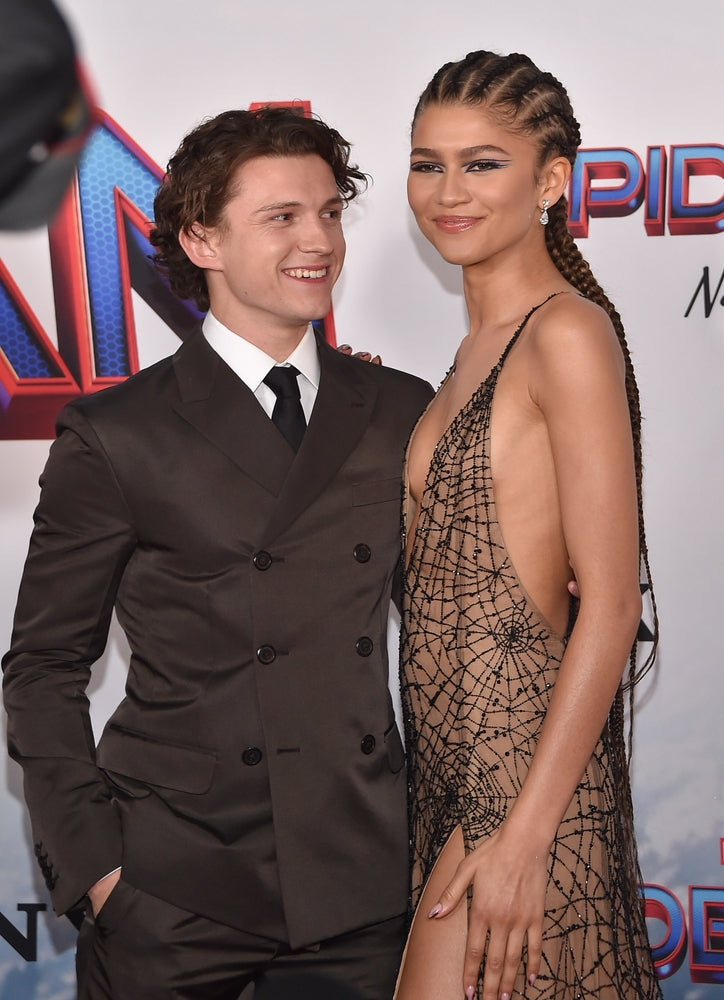
Taylor Swift’s 2025 engagement helped introduce this look to a wider audience. Her Old Mine brilliant-cut centre stone drew attention to a style that had already been gaining interest among designers and collectors. Celebrity rings can influence what people notice, but the more useful question is whether the cut’s softer light and distinctive outline suit the wearer.
Antique Cut or Modern Brilliant?
| Feature | Antique-Inspired Cut | Modern Brilliant Cut |
|---|---|---|
| Faceting | Broader, less uniform facets | Precisely arranged facets |
| Appearance | Softer flashes and a warmer, vintage character | Brighter, more consistent brilliance and scintillation |
| Proportions | Can vary considerably from stone to stone | Usually more standardised |
| Best suited to | Buyers who value individuality and historic character | Buyers who prefer a crisp, bright and more uniform look |
Emerald and Asscher cuts offer a different type of character. Their long, step-cut facets create a geometric “hall of mirrors” appearance rather than the smaller flashes associated with brilliant cuts. Their open structure can make clarity characteristics easier to see, so each stone should be assessed individually rather than chosen from the grading report alone. Avita’s emerald-cut engagement rings show how this architectural shape can work in both classic and contemporary settings.
Chunkier Gold and More Protective Settings
Yellow Gold with Greater Visual Weight
Yellow gold continues to feature strongly in contemporary engagement ring design. Its warmth works particularly well with antique-inspired diamonds, but it can also soften the appearance of modern oval, cushion and emerald-cut stones.
The change is not simply from white metal to yellow. Bands are becoming wider and more visible, allowing the metal to contribute to the design rather than acting only as a support for the centre stone. A broader band can feel modern and substantial, although its width should still be comfortable and proportionate to the wearer’s hand.
Bezel and Rubover Settings
Bezel settings—also known as rubover settings—surround part or all of the diamond’s edge with metal. This creates a smooth, architectural outline and reduces the amount of exposed girdle compared with many claw settings.
They can be a practical option for someone who uses their hands frequently or prefers a lower-profile ring that is less likely to catch on clothing. A bezel does not make a diamond impossible to damage, and its appearance and protection depend on the exact design, but it can offer a useful combination of security and clean styling.
East-West Settings and Elongated Shapes
An east-west setting turns an elongated stone horizontally across the finger. Zendaya’s cushion-cut engagement ring brought fresh attention to this orientation, showing how a familiar diamond shape can look markedly different when its position changes.
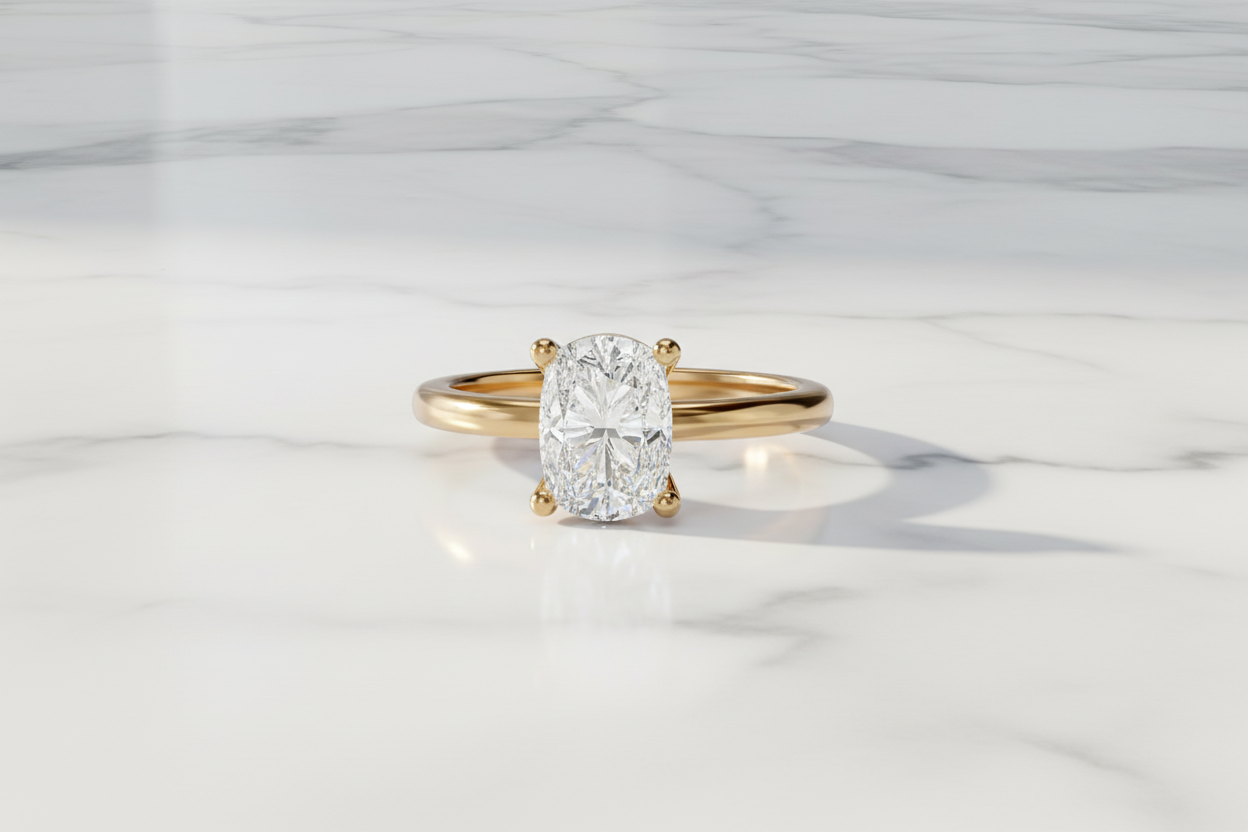
Emerald, marquise, oval and elongated cushion shapes can all work in an east-west design. The result often feels wider and more graphic than a traditional north-south setting. It may also affect how the engagement ring sits beside a wedding band, so the side profile and future ring pairing should be considered before the design is finalised.
Elongated shapes remain popular beyond east-west settings. Ovals in particular provide strong brilliance with a lengthening effect on the finger, although two diamonds of the same carat weight can have noticeably different face-up dimensions. Compare proportions and light performance rather than assuming that every elongated stone will look larger or better balanced. You can explore Avita’s oval engagement rings to compare different settings.
Warmer Colour and Softer Contrast
The preference for warmth extends beyond yellow gold. Champagne, pale yellow and other softly coloured diamonds are receiving more attention, as are white diamonds with warmer tones that complement yellow-gold settings.
This is a more nuanced direction than simply choosing the highest colour grade. A diamond’s colour should be considered alongside its cut, metal and the wearer’s preferences. Some people want a bright, colourless appearance; others prefer the character and softer contrast of a warmer stone. Neither approach is automatically more sophisticated or more valuable.
Diamond Origin Should Be a Personal Decision, Not a Trend

Lab-grown and natural diamonds have the same essential physical and chemical properties, but they differ in origin, rarity and price. A lab-grown diamond may allow a larger stone or higher specification within a given budget, while a natural diamond may appeal to someone who values geological origin and finite rarity.
Neither choice should be framed as universally more ethical, more sustainable or a guaranteed investment. Production, sourcing and resale outcomes vary. Avita’s lab-grown versus natural diamond guide explains the practical trade-offs in more detail.
How to Choose a Trend Without Dating the Ring
Trends are useful for discovering possibilities, but they should not replace personal judgement. Before committing to a design, consider the following:
- Start with the wearer’s existing style. Their jewellery, clothing and saved images are usually more useful than a general trend list.
- Choose one strong design idea. An unusual cut, substantial band or east-west setting can create individuality without making every detail compete for attention.
- Think about daily wear. Setting height, exposed edges, band width and snag risk matter as much as the ring’s appearance in photographs.
- Check wedding ring compatibility. A low or wide setting may need a shaped band or create a deliberate gap. Review the two rings together where possible.
- Compare proportions on the hand. Carat weight alone does not show how large, balanced or comfortable a ring will look and feel.
- Prioritise workmanship. A well-resolved setting and secure stone will matter long after a particular trend has moved on.
A Practical London Perspective
London offers everything from large luxury showrooms to independent studios and specialist Hatton Garden jewellers. Rather than choosing by postcode alone, compare the experience each jeweller provides.
Ask who will guide the design, whether you can compare suitable stones in person, how certification and pricing are explained, what aftercare is included and how the setting will suit everyday wear. If you are planning several visits, Avita’s Hatton Garden engagement ring buying guide provides a practical appointment checklist.
A bespoke design can be useful when you like a current trend but want different proportions, a lower profile or a setting designed around a future wedding ring. Learn more about Avita’s bespoke engagement ring service in London.
Find the Direction That Feels Right
The most useful 2026 trends give couples more choice: character-led diamonds, warmer gold, stronger settings and less conventional proportions. The final ring should still reflect the person wearing it and work comfortably in daily life.
Browse Avita’s engagement rings, or book a viewing appointment at the London, Hatton Garden studio to compare diamonds, metals and settings in person. If you are not ready to book, contact the team with your questions or reference images first.
Frequently Asked Questions
What engagement ring styles are popular in 2026?
Antique-inspired cuts, yellow gold, wider bands, bezel settings, east-west orientations and elongated diamond shapes are prominent in 2026. Classic solitaires also remain relevant, particularly when personalised through metal, proportions or setting details.
Are antique-cut diamonds suitable for everyday wear?
They can be, provided the individual diamond is in suitable condition and the setting protects it appropriately. Antique stones vary more than modern diamonds, so they should be examined individually by an experienced jeweller.
Is a bezel setting good for an engagement ring?
A well-made bezel can reduce exposed edges, create a smooth profile and limit snagging. It is often worth considering for active daily wear, although no setting can make a stone completely immune to damage.
Will a yellow-gold engagement ring quickly look dated?
Yellow gold has moved in and out of the trend spotlight, but it has a long history in fine jewellery. Simple proportions and good workmanship usually have more influence on longevity than the current popularity of the metal.
How can I use a trend without choosing a ring I may regret?
Choose the trend element that genuinely reflects the wearer, then keep the rest of the design balanced. Trying different proportions and reviewing lifestyle and wedding-ring fit can help separate lasting preference from short-term inspiration.
Should I choose a lab-grown or natural diamond in 2026?
Choose according to budget, origin preference and the specification that matters to you. Lab-grown diamonds often provide more size or specification for the budget; natural diamonds offer geological rarity. Neither is automatically the right choice for every buyer.